
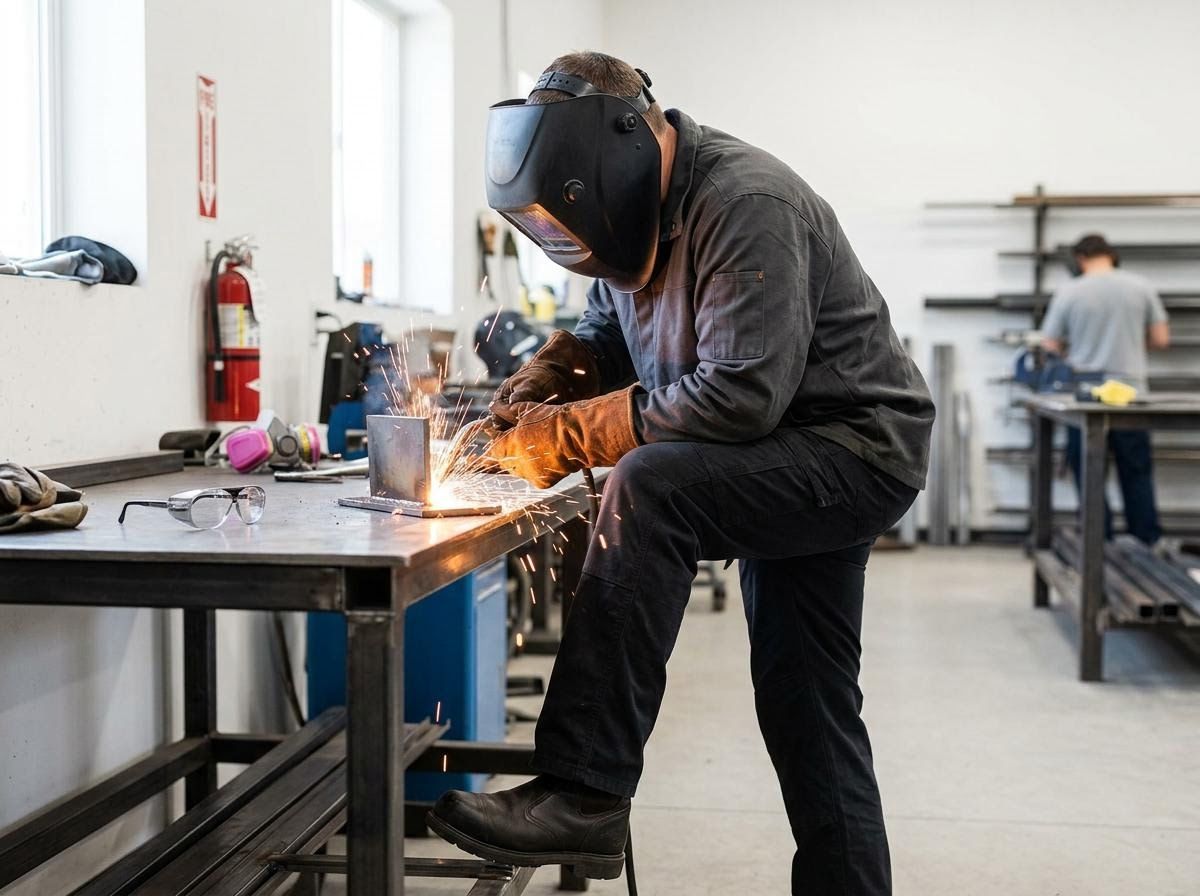
Welding is a rewarding skill, offering the chance to create and repair, but safety must always be your top priority. Whether you're a seasoned professional or just starting your journey as a hobbyist, understanding and utilizing the right personal protective equipment (PPE) is crucial. Here at West Iron LLC, we believe that a safe welder is a confident and creative welder, and equipping yourself properly ensures you can focus on mastering your craft without unnecessary risks.
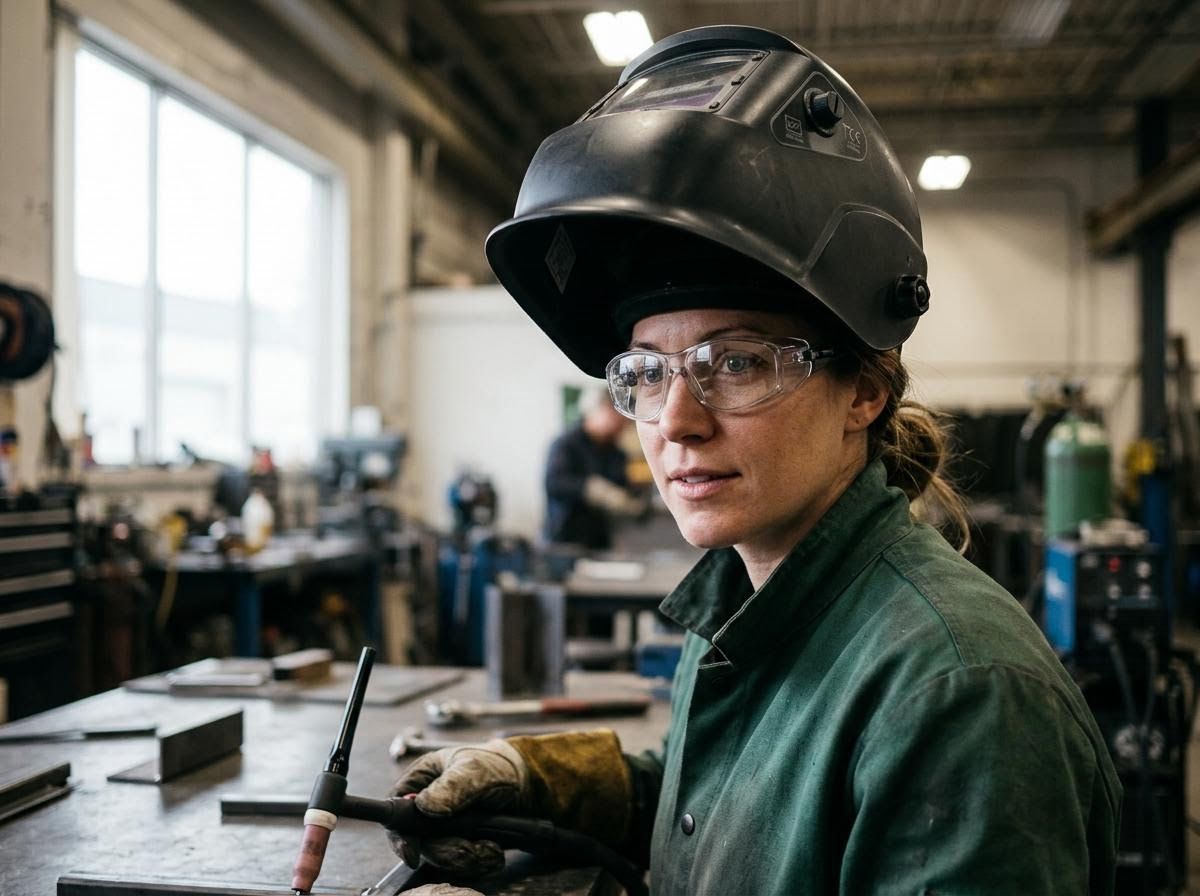
Eye and Face Protection
Your eyes and face are highly vulnerable to the intense light, heat, sparks, and spatter produced during welding. A high-quality welding helmet is non-negotiable. Look for one with an auto-darkening lens that adjusts automatically to the arc's brightness, offering constant protection and clear visibility before and after striking an arc. Always wear safety glasses with side shields underneath your welding helmet as a secondary layer of protection against flying debris, especially when grinding or chipping slag. Different welding processes require specific shade levels, so ensure your helmet meets the appropriate ANSI standards for the type of welding you're doing.
Hand and Body Protection
Protecting your hands and body from burns, cuts, and electric shock is equally vital. Heavy-duty welding gloves made from durable, heat-resistant materials like leather are essential. They should be thick enough to insulate against heat but flexible enough to allow for dexterity. For your body, flame-resistant clothing is a must. This includes a welding jacket, apron, or sleeves made from materials like leather or treated cotton that can withstand sparks and molten metal. Avoid synthetic fabrics, which can melt onto your skin. Always wear long sleeves and pants to cover all exposed skin, even under your protective gear.
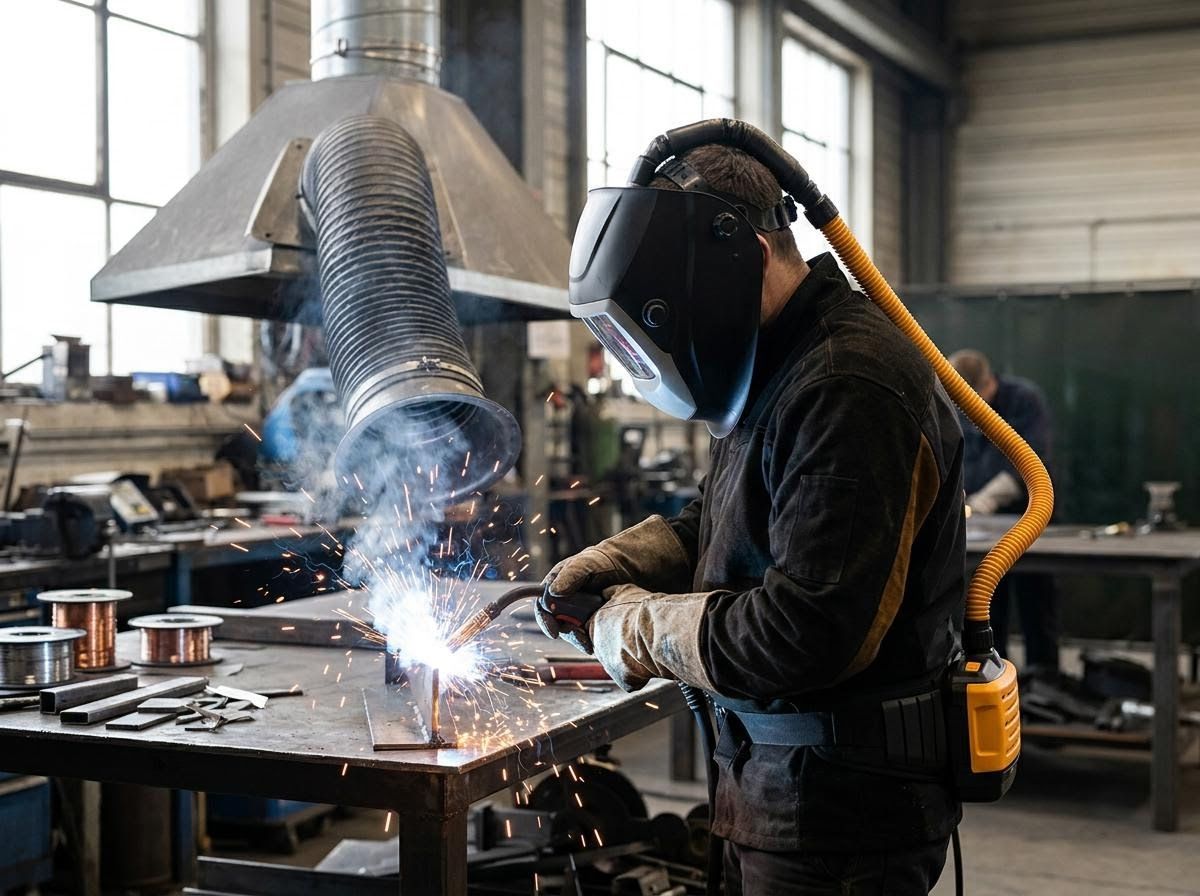
Respiratory Protection and Ventilation
Welding fumes and gases can pose significant health risks if inhaled. These can include metal particles, ozone, and carbon monoxide, depending on the material and process. Adequate ventilation is paramount; always weld in a well-ventilated area, ideally with local exhaust ventilation that draws fumes away from your breathing zone. For situations where natural or mechanical ventilation isn't enough, consider wearing a respirator. This could be a disposable particulate respirator (for certain non-toxic fumes) or a more advanced air-purifying respirator designed to filter out specific welding contaminants. Understanding the materials you're welding is key to choosing the correct respiratory protection.
Foot Protection and Work Area Safety
Don't overlook your feet! Steel-toed boots made of leather or other non-flammable materials are essential to protect against falling objects, heavy equipment, and hot spatter. Ensure they are in good condition and provide ankle support. Beyond personal gear, maintaining a safe welding environment is part of your overall protection strategy. Keep your workspace clean and free of flammable materials. Have a fire extinguisher readily accessible and know how to use it. Regularly inspect your equipment, including cables and connections, to prevent electrical hazards. A tidy and organized work area contributes significantly to safety.
Prioritizing safety in welding isn't just about following rules; it's about empowering yourself to learn and create confidently. By understanding and consistently using the right safety gear, you protect yourself from potential hazards, allowing you to focus on developing your skills and bringing your metal creations to life. To explore how you can safely start your welding journey and find engaging projects, consider researching the types of materials and processes suitable for hobbyists and students.