
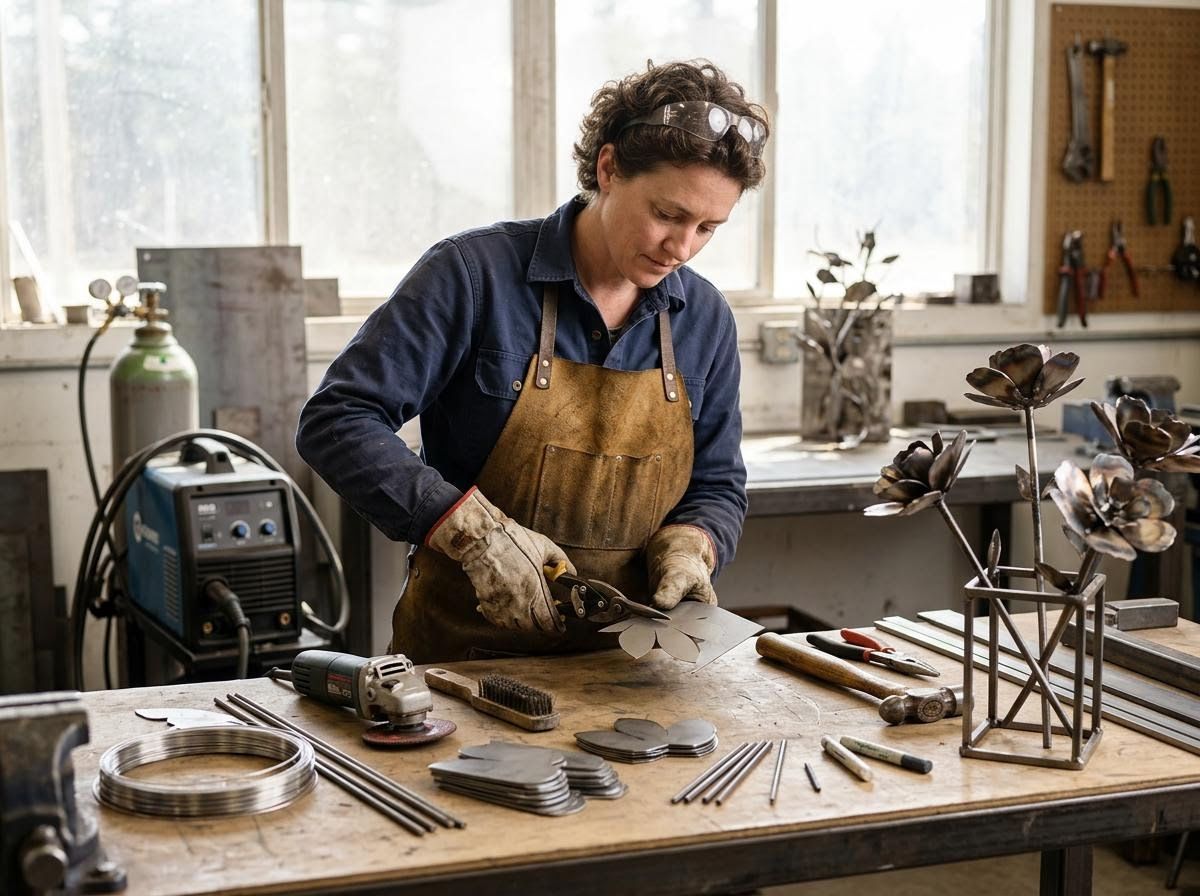
Embarking on the creative journey of welding metal flowers is a rewarding experience, transforming simple metal pieces into intricate works of art. Whether you're a seasoned fabricator or just beginning your welding adventure, understanding the essential materials is key to bringing your botanical visions to life. At West Iron LLC, we believe in empowering hobbyists and students with the knowledge and tools to confidently tackle new projects, and preparing your workspace with the right components is the perfect starting point for crafting beautiful metal blooms.
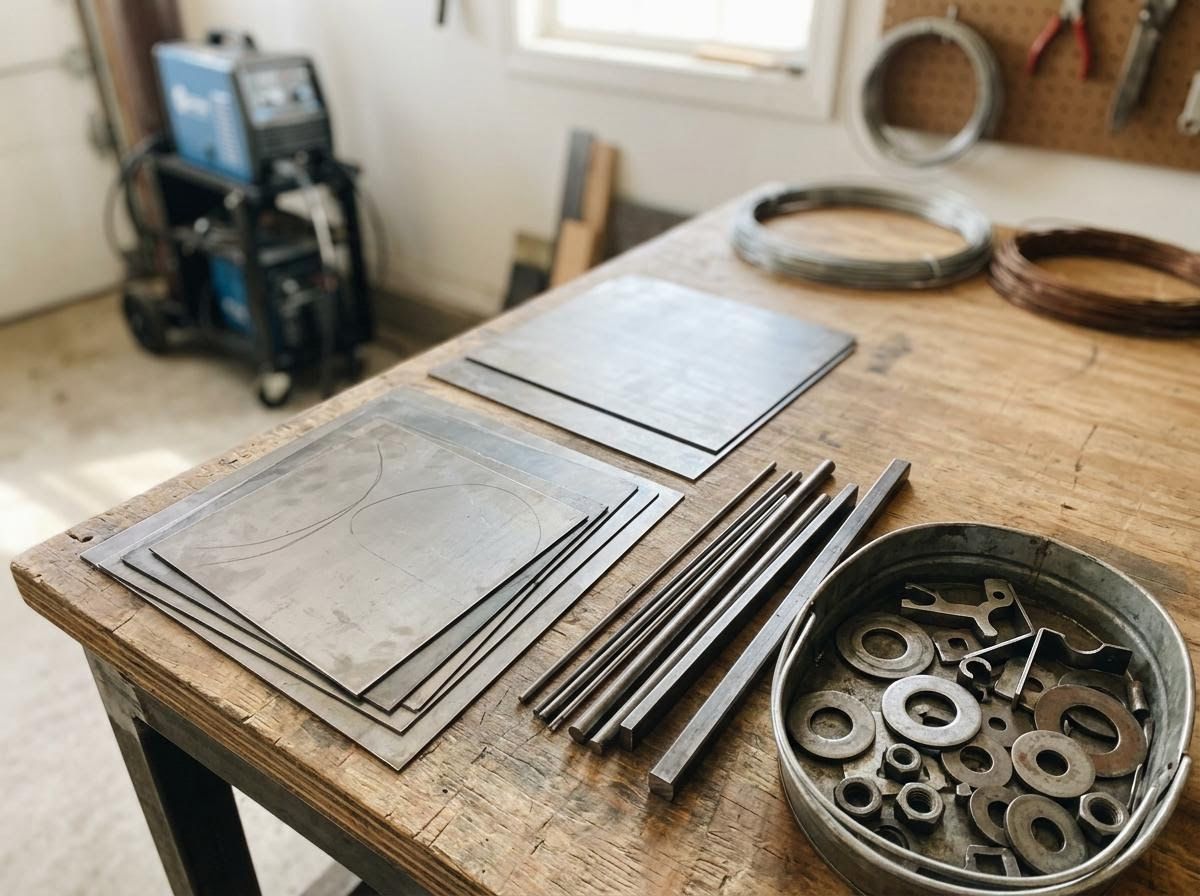
The Foundation: Choosing Your Metal Stock
The most crucial material for welding metal flowers is, of course, the metal itself. For hobbyists and beginners, mild steel is highly recommended. It's readily available, relatively inexpensive, and easy to weld, making it perfect for practice and developing your skills. You'll primarily work with different forms of mild steel:
Sheet Metal: Thin gauges (16-20 gauge) are ideal for petals, allowing for easy cutting and shaping to create delicate, realistic forms.
Rod or Bar Stock: Various diameters can be used for stems, leaves, or even thicker petal bases, providing structural support.
Scrap Metal: Don't underestimate the value of repurposing scrap pieces! Old washers, nuts, or small off-cuts can be creatively integrated into your flower designs for unique textures and details.
While mild steel is a great starting point, more experienced welders might explore stainless steel for its corrosion resistance and distinct aesthetic, or even aluminum for lighter, brighter pieces, though these require specific welding techniques and equipment.
Essential Welding Equipment & Safety Gear
With your chosen metal in hand, you'll need the right tools to join it. A MIG welder is often favored by beginners for its ease of use and ability to produce clean welds quickly, but TIG welders offer greater precision for very fine details, and even a stick welder can be used with practice. Alongside your welding machine, ensure you have the necessary consumables:
Welding Wire/Rods: Match your wire or rod type to your base metal (e.g., ER70S-6 for mild steel MIG welding).
Shielding Gas: For MIG welding, a mix of argon and CO2 (75/25) is standard for mild steel, protecting your weld from atmospheric contamination.Safety is paramount in any welding project. Always equip yourself with:
Auto-darkening welding helmet: Protects your eyes from intense light and UV radiation.
Welding gloves: Heat-resistant gloves to protect your hands from sparks and heat.
Welding jacket or fire-resistant clothing: Shields your body from spatter and burns.
Safety glasses and ear protection: Worn under your helmet or during grinding/cutting operations.
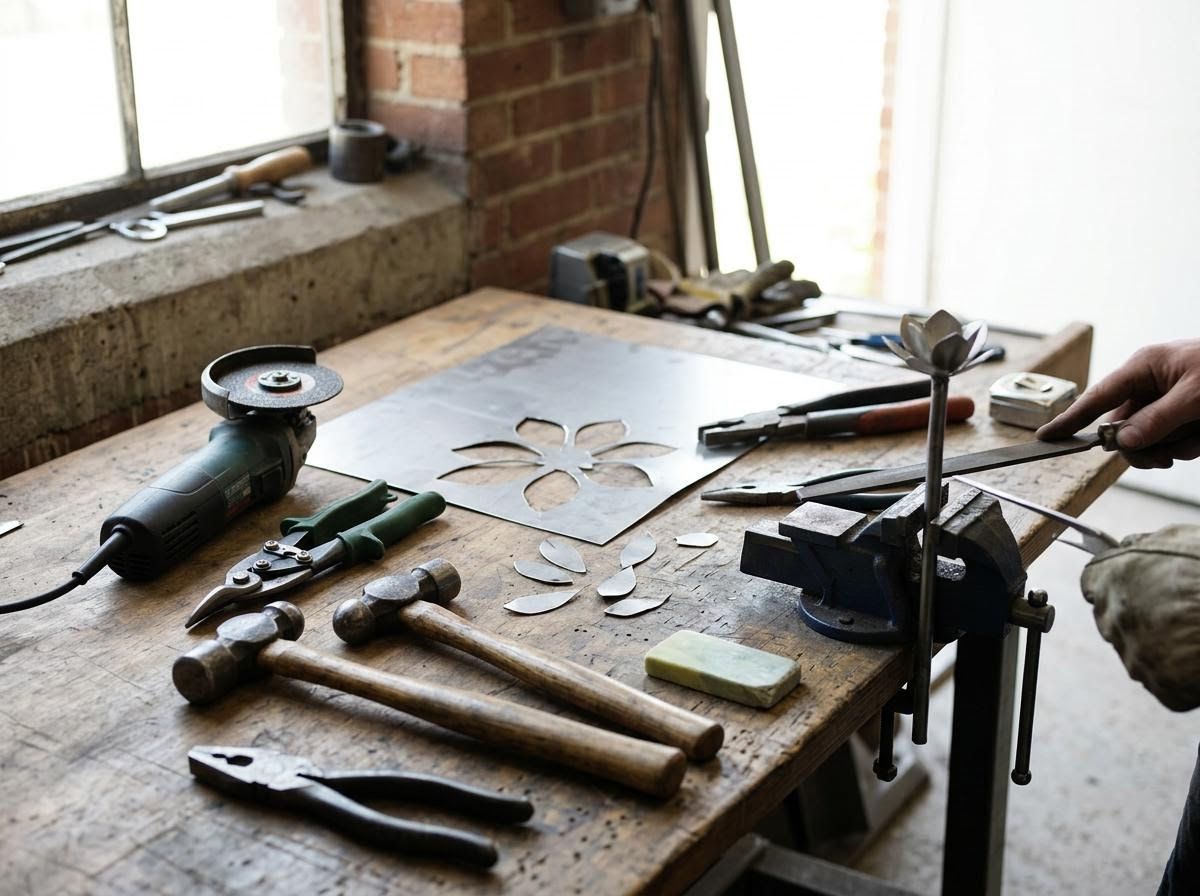
Shaping Your Vision: Fabrication Tools
Before you even strike an arc, you'll need tools to prepare and shape your metal components. Accuracy and creativity in shaping are what truly bring a metal flower to life.
Angle Grinder: An indispensable tool for cutting larger pieces of sheet metal, deburring edges, and shaping thicker sections. Use appropriate cut-off and grinding discs.
Metal Snips: For thinner sheet metal, aviation snips or tin snips allow for precise, manual cutting of intricate petal shapes.
Hand Tools: A sturdy vise to hold your work, pliers, hammers (ball-peen and cross-peen are excellent for adding texture), and metal files are crucial for refining shapes and edges.
Marking Tools: A soapstone or fine-tipped marker for transferring your designs onto the metal.
Drill: For creating holes in the center of petals or for attaching elements.
Beyond the Weld: Finishing Touches
Once your flower is welded, the finishing process is where it truly blossoms.
Wire Brush & Grinding Discs: Used on your angle grinder or by hand to clean up welds, remove slag, and smooth out any rough spots.
Sanding Discs/Flap Discs: For achieving a smooth, polished finish on your metal.
Patina Solutions: These can chemically alter the metal's surface to create beautiful, aged, or colorful effects without paint.
Paints & Clear Coats: If you desire vibrant colors or want to protect the metal from rust, high-heat paints or clear sealants designed for metal are essential.
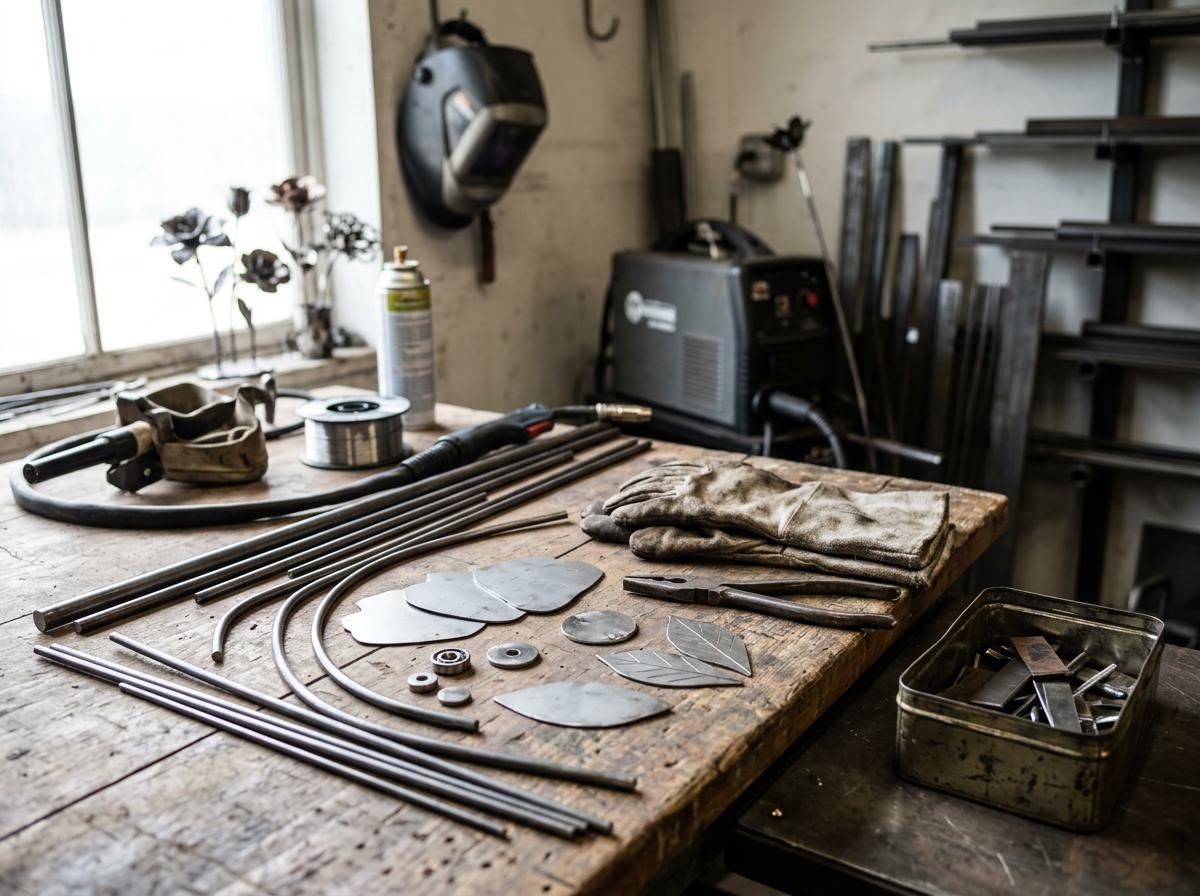
Conclusion
Creating a beautiful metal flower through welding is a rewarding artistic endeavor that combines technical skill with creative expression. Gathering the right materials, from your chosen metal stock and welding equipment to shaping and finishing tools, lays the groundwork for a successful project. With proper preparation and safety, you'll be well on your way to crafting unique, lasting pieces. To further your understanding and find practical applications for these materials, consider exploring resources tailored for budding welders.