
Embarking on the rewarding journey of home welding offers a unique blend of creativity and skill development, transforming raw metal into tangible creations. Whether you're crafting decorative pieces or performing repairs, understanding the fundamentals of safety is paramount to a successful and injury-free experience. At West Iron LLC, we believe that education and preparedness are the cornerstones of safe welding, ensuring that your passion for metalwork can flourish without unnecessary risks. This guide outlines essential safety practices to help you create with confidence in your home workshop.
Personal Protective Equipment (PPE) is Non-Negotiable
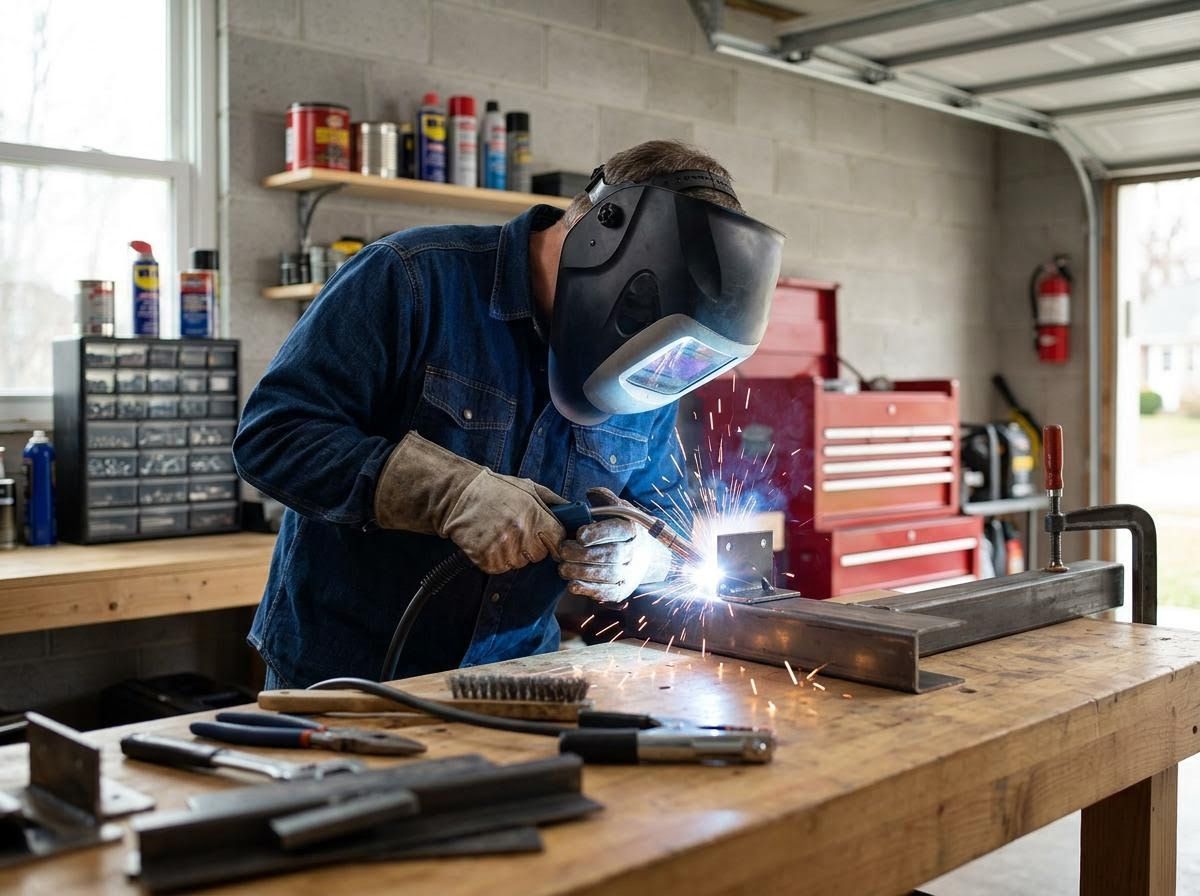
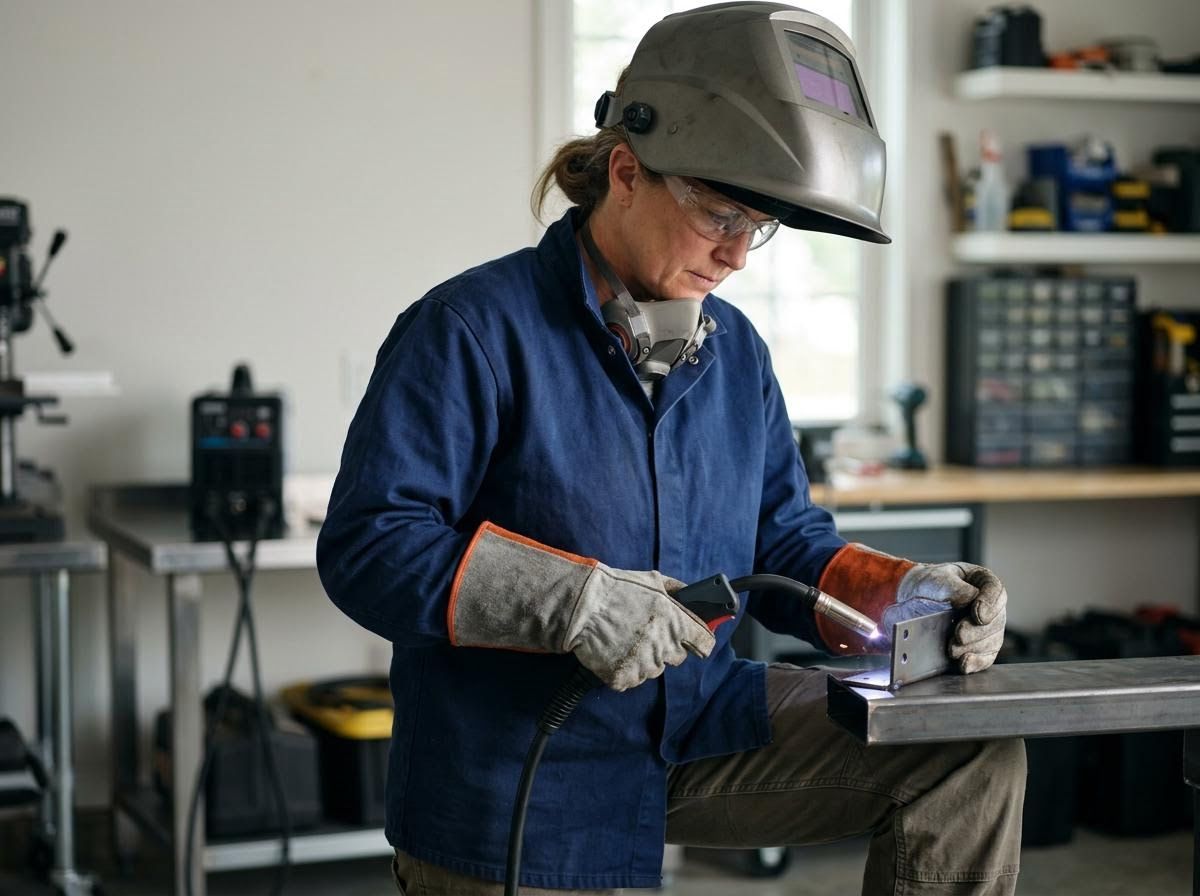
Your body is your most valuable tool, and protecting it from the inherent hazards of welding is your first line of defense. A high-quality welding helmet with an appropriate auto-darkening shade rating is crucial for protecting your eyes and face from intense UV radiation and spatter. Beneath your helmet, safety glasses should always be worn for an added layer of protection. Heavy-duty, heat-resistant welding gloves are essential for shielding your hands from heat, sparks, and sharp edges. Additionally, always wear flame-resistant clothing, such as a welding jacket or heavy cotton workwear, ensuring your arms and legs are fully covered. Avoid synthetic fabrics, which can melt onto your skin. Finally, consider a respirator to protect your lungs from fumes, and always wear appropriate hearing protection.
Prepare Your Workspace for Safety
A well-prepared workspace significantly reduces welding hazards. First, ensure excellent ventilation to disperse welding fumes, which can be harmful if inhaled in concentrated amounts. This might involve opening garage doors, using exhaust fans, or having a fume extractor. Second, clear the area of any combustible materials such as paper, wood, rags, and chemicals. Sparks can travel unexpectedly, igniting materials far from your immediate weld zone. Always have a fire extinguisher (rated for multiple types of fires, such as ABC) within easy reach and know how to use it. Make sure your welding machine is properly grounded to prevent electrical shock, and keep your cables organized to avoid tripping hazards.
Understand and Mitigate Electrical and Fire Risks
Welding involves high heat and electricity, presenting significant electrical and fire risks. Always inspect your welding equipment before each use, checking cables for fraying, damage, or loose connections. Never weld in damp or wet conditions, as water conducts electricity and increases the risk of shock. Regarding fire, be aware of the "fire triangle": fuel, oxygen, and heat. Your goal is to eliminate or control at least one element. Beyond clearing combustibles, be mindful of hot metal. Freshly welded items will retain heat for a long time and can ignite materials or cause severe burns if not handled or allowed to cool properly. A fire watch, even for a home setup, involves keeping an eye on the area for potential ignitions for at least 30 minutes after welding.
Conclusion: Weld Safely, Create Confidently
Mastering the art of welding at home is a deeply satisfying endeavor, made even better when approached with a strong commitment to safety. By diligently wearing appropriate PPE, preparing a safe workspace, and understanding potential hazards, you create an environment where learning and creativity can thrive. Prioritizing these safety measures not only protects you but also enhances your confidence and enjoyment in every project. To further your skills and learn more about safe welding practices, explore resources and hands-on projects designed for hobbyists and students alike.